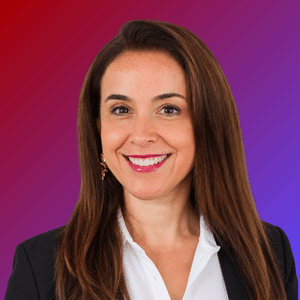
Noa Asher
CEO @ NTT Innovation Laboratory IL
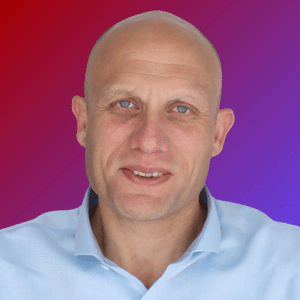
Erez Askal
Brig.-Gen. (Res.), Head @ The Israeli National AI Directorate
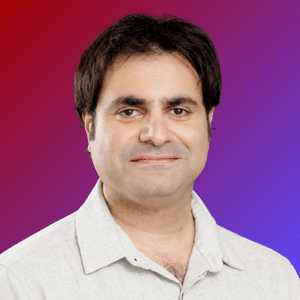
Naftaly Avadiaev
Co-Founder & CTO @ Ascendra Networks
Hilla Bakshi
Founder @ HaMeetupistiot
Dr. Ayelet Ben-Ezer
Committee Chair | CEO & VP @ Reichman University
Dan Benger
CEO & Co-Founder @ Tego AI
Zohar Cohen
CISO @ Migdal Group
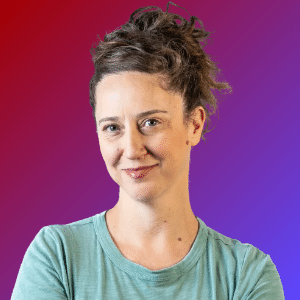
Yael Crystal Sapir
VP, Product Management, AI @ Gong
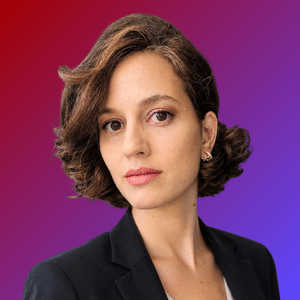
Tali Despins
Multidisciplinary Entrepreneur | Claude Ambassador | AI Adoption Advisor
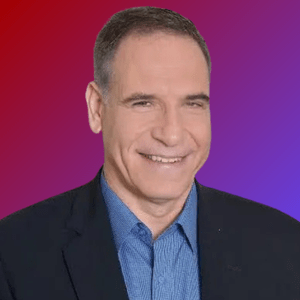
Amir Gal Or
Chairman @ 42AI
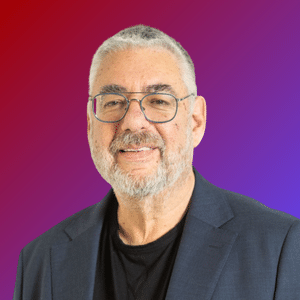
Refael Gatt
CEO & Founder @ QDM Tech
Sasha Glatt
Growth @ ElevenLabs
Asaf Green
Director of BD @ NTT Innovation Lab Israel
Nadav Haklai
Co-Founder & CEO @ Ascendra Networks
Dr. Assaf Horowitz
VP of AI @ Israel Innovation Authority
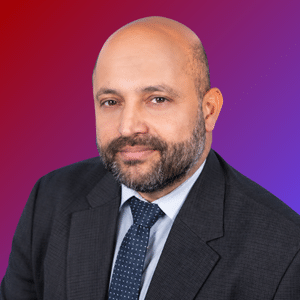
Eyal Hulata
Former Head @ Israel National Security Council
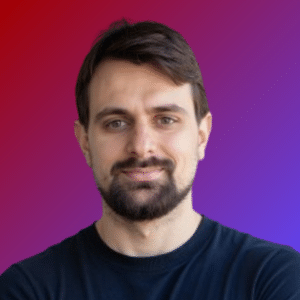
Dror Ivry
Co-founder & CTO @ Rogue Security
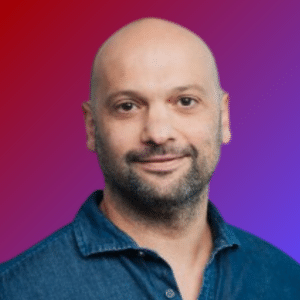
Mark Kardashov
Co-Founder & CEO @ Keewano
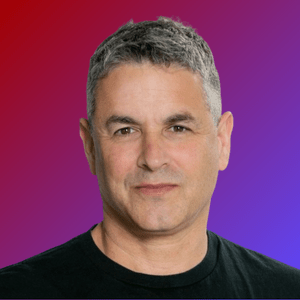
Asaf Kochan
Co-Founder @ Sentra | Former Commander @ Unit 8200
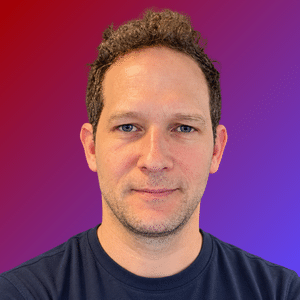
Yaniv Leven
CEO @ Seemore Data
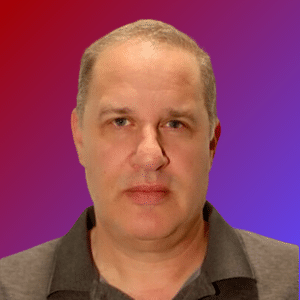
Amir Livne
Former S.V.P Strategy, Innovation & Structural Change @ Israel Electric Corporation
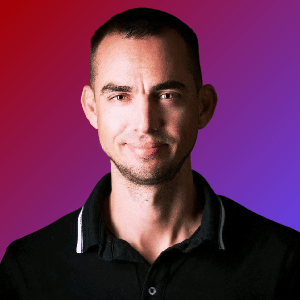
Leon Melamud
Head of AI Transformation @ ThetaRay
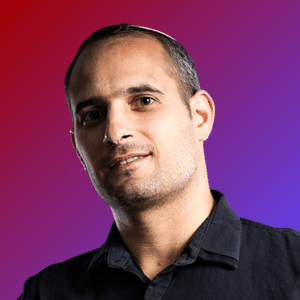
David Mermelstein
CMO & Co-founder @ Ideeza
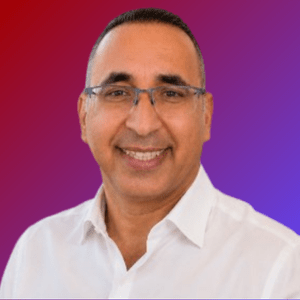
Dror Mizrachi
CTO & Lab Director @ Toga Networks
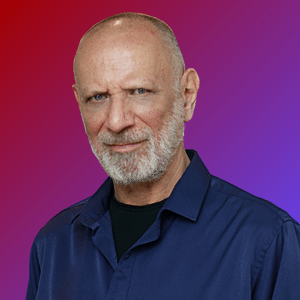
Dov Moran
Managing Partner @ Grove Ventures
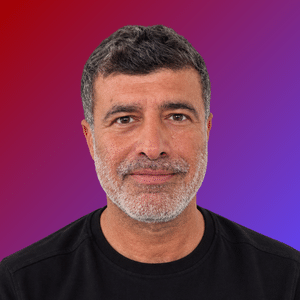
Adi Nathan
Founder & CEO @ Motion Analytics
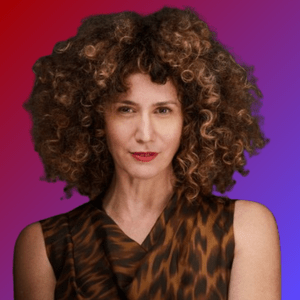
Idit Neuderfer
CEO @ Redhead-Method
Yehu Ofer
CEO @ OdysightAI
Claudia Palierne
Team Lead AI/ML Engineer @ KPMG
Dadi Perlmutter
Former EVP & GM Architecture @ Intel
Esti Peshin
A global leader in Cybersecurity and AI
Asaf Ronat
CPO @ Swish
Dr. Elan Sasson
CEO and Co-Founder @ DSG.AI
Tal Serphos
Director of Enterprise AI Enablement @ Mobileye
Tsofit Shachar
CISO @ EL AL Israel Airlines

Ophir Shay
Associate @ TLV Partners | Co-Founder @ Next October
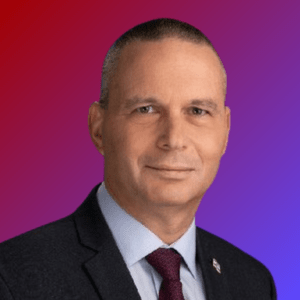
Izhar Shay
Co-Founder @ Next October | Serial Entrepreneur & Investor

Myron Shneider
Founder @ DeployTLV | EX Aleph VC
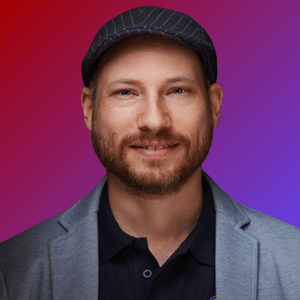
Gilad Shoham
VP R&D @ Bit | Community Leader
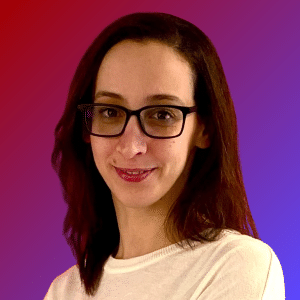
Natali (Erel) Shtulman
Tel Aviv Claude Ambassador | Head of AI Enablement
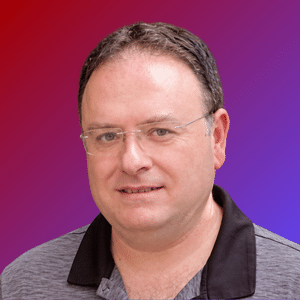
Nir Simionovich
CEO @ Cloudonix
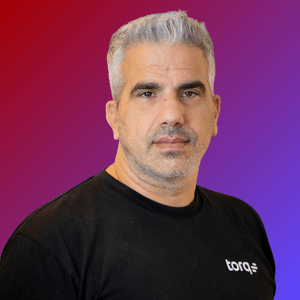
Ofer Smadari
Co-Founder & CEO @ Torq

Ariel Sterman
Partner @ Bessemer Venture Partners
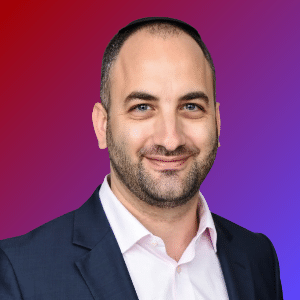
Itamar Syn-Hershko
Founder @ NeverBlink AI
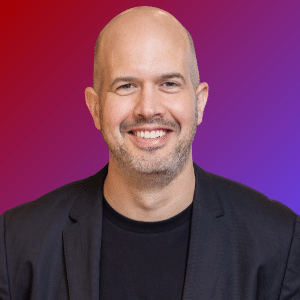
Idan Tendler
Investor @ Vine Ventures | Chairman @ Anu Banu
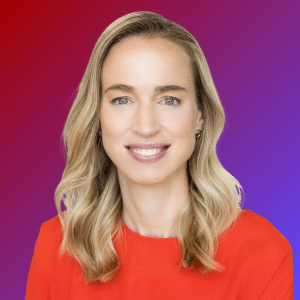
Yael Vizel
GenAI expert, Founder & CEO @ Zeekit (acquired by Walmart)
Shira Yalon-Chamovitz
President @ Levinsky-Wingate Academic College
Sanaz Yashar
Co-Founder & CEO @ Zafran Security
Matan Yemini
Co-Founder & CEO @ Sun Security
Ester Zabar
CEO @ AQA
Yishaia Zabary
Data Sciened & Innovation Team Lead @ Odysight.AI
Gal Benkin
Sponsorships Manager @ Lynx
Ben Pelled
Founder & CEO @ Lynx
Shiri Rosenman
Marketing & Partnerships Manager @ Lynx
Assaf Araki
Investment Director, AI @ Intel Capital
Liron Azrielant
Founder & Managing Partner @ Meron Capital
Omri Baumer
Founder @ Dreambloom
Avichai Ben
Co-Founder & CTO @ Charm Security
Adir Duchan
Senior AI Engineer @ Elementor
Idan Hackmon
SW verification engineer @ NVIDIA
Ziv Katzir
Former Head, AI Infra. National Program @ Israel Innovation Authority
Lital Kiperman Vaknin
Head of Innovation and Partnerships @ Peres Center for Peace & Innovation
Tal Kollender
Co-Founder & CEO @ Remedio
Eva Koritny
Marketing operations @ DatA-IL Innovation Community
Dedi Maller
CIO @ IAF
Idit Muallem-Yedid
Investor, General Partner @ Pitango
Polina Nemoy
Executive Director @ UBS
Rona Perry
Executive Director @ DatA-IL Innovation Community
Lucanus Polagnoli
Founder & Managing Partner @ Calm/Storm Ventures
Paz Polak
Senior Director of Genomic Data @ Quest Diagnostics
Maish Saidel-Keesing
Senior Developer Advocate @ AWS
Michael Seldin
CTO @ Keymakr
Dr. Tal Shapira
Co-Founder & CTO @ Reco
Lior Shemo
Chief Engineering Officer @ Driivz
Gali Sheskin
CEO @ AMIT 81 Alumni Association
Roi Shikler
Head of Xcelerate @ XMAFAT
Ram Shoham
Entrepreneur | Investor | Ecosystem Builder @ Frankfurt, Germany
Adi Szeskin
CTO @ Spitze.AI
Deyaa Taha
Senior AI & Technology Advisor @ Eldan

Talya Vaish
Ecosystem and BD Director @ DatA.IL Innovation Community
Chen Weitz
Sr. Engineering Director & Nutrino Leader @ Medtronic
Shmulik Willinger
Chief Architect @ Lusha
Yoel Zeldes
Sr. Research Engineer (NLP) @ Google DeepMind
Expand All +
Doors Open

Expand All +
Main Stage
- 09:00 - 09:50Lightning Talk
Future of AI 2026 Startup Competition Finals
09:50 - 10:00Opening RemarksWelcome to Future of AI 2026: Meet your Hosts & Event Partners
10:00 - 10:10KeynoteThe New AI Power Race: Technology, Security and the Future of Nations
By Eyal Hulata, Former Head @ Israel National Security Council10:10 - 10:20KeynoteFrom Startup Nation to AI Nation: Israel’s Next Chapter
By Erez Askal, Brig.-Gen. (Res.), Head @ The Israeli National AI Directorate10:20 - 10:30KeynoteFrom Research to Conversational Agents: Building AI That Feels Human
By Sasha Glatt, Growth @ ElevenLabs10:30 - 10:40KeynoteThe Next AI Breakthrough May Not Be in the Model
By Asaf Green, Director of BD @ NTT Innovation Lab Israel10:40 - 11:05Panel DiscussionThe Next 12 Months of AI: What Changes, What Wins, What’s Next
11:05 - 11:25Fireside ChatPowering AI: The Infrastructure Behind the Intelligence
11:25 - 11:30Fireside ChatStartup Competition Winners & Awards
Expand All +Coffee & Networking Break
Expand All +AI Business, Strategy & Investment (Hall B)
Meet Your Track Host
12:00 - 12:25Panel DiscussionWhere Is AI Value Being Created? From Technology to Business Impact
12:25 - 12:32KeynoteCan AI Predict Human Behavior? The Next Frontier in Decision-Making
12:32 - 12:40KeynoteEngineering the Company Brain
12:40 - 12:45Lightning TalkBuilding for the AI Economy: A Founder’s Vision for 2029
Expand All +AI for Developers & Builders (Hall A)
Meet Your Track Host
12:00 - 12:30WorkshopBuild an Intelligent Team of AI Agents That Actually Works in the Real World
12:30 - 12:37KeynoteYour Database Was Built for Humans. AI Agents Are About to Break It.
12:37 - 12:45KeynoteElastic Compute Infrastructure for AI workloads
Expand All +Security in the Age of AI (Hall B)
Meet Your Track Host
12:45 - 12:55KeynoteSecuring the AI Agent Era
12:55 - 13:30Panel DiscussionSecuring the AI Enterprise: Builders Meet CISOs
Expand All +AI Transformation Leaders with Claude (Hall A)
Meet Your Track Host
12:45 - 13:05KeynoteThe Mistake Most Leaders Make When They Mandate AI
13:05 - 13:25KeynoteThe Graph vs. The Janitor: Organizing Code for the AI Era
Expand All +Aerospace, Defense & Physical AI (Hall B)
- 13:30 - 14:00Panel Discussion
Can Startups Move Faster Than Aerospace and Defense Giants?
Expand All +AI Round Tables with Claude (Hall A)
- 13:30 - 14:30Meetings
AI Round Tables
Expand All +AI-Native World (Hall B)
Meet Your Track Host
14:00 - 14:30Panel DiscussionAI & Education: The Human Edge - What AI Cannot Replace
Expand All +Lunch - for Voucher Holders only
 Click for Accessibility